22 Seconds of Hell: One Man’s Burning Sacrifice That Points us to Christ
Hey there,
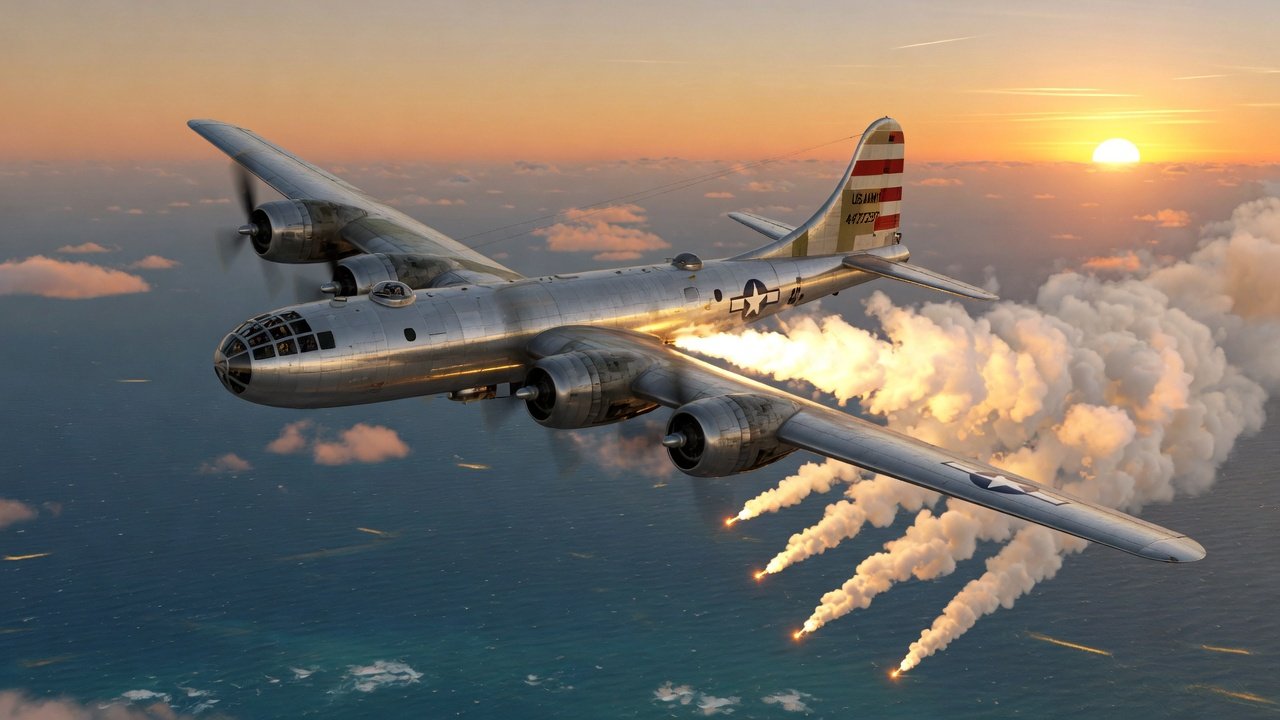
What would you do if you had only 22 seconds left to save your entire crew… while your own body was on fire?
It was April 12, 1945. High above the Pacific, twenty-three-year-old Staff Sergeant Henry “Red” Erwin — a lanky, red-haired farm boy from the tiny town of Adamsville, Alabama — sat at his radio in the belly of a massive B-29 Superfortress named City of Los Angeles.
Red had grown up poor, the son of a coal miner, learning early to trust God in the hardest of times. Now he was thousands of miles from home, flying as radio operator on a bombing mission over Japan. But that day he had an additional duty: dropping white-phosphorus smoke bombs through a narrow floor chute. The bright clouds of smoke marked the assembly point so the rest of the bomber task force could tighten up and strike the target together — a chemical plant at Koriyama.
At 9:30 a.m., Red lit the fuse on one of the bombs and slid it down the chute.
What happened next took only twenty-two seconds — but it changed lives forever.
The bomb malfunctioned. It exploded inside the chute and rocketed backward like a flaming rocket, slamming straight into Red’s face and chest. White phosphorus burns at temperatures hotter than molten steel — up to five thousand degrees. In an instant the searing chemical fused to his skin, eating through flesh, blinding both eyes, and filling the plane with choking, toxic smoke.
The cockpit almost immediately went black with blinding white fumes. The pilots could no longer see their instruments. The massive B-29 began plummeting uncontrollably toward the ocean in a steep dive.
Red’s body was on fire. The pain was unimaginable — white-hot agony that should have dropped him where he stood. Yet in that split second, something greater took over. Blind, his hands already burning to the bone, he reached down, grabbed the white-hot canister with his bare palms, tucked the flaming mass under his arm, and began to move.
He staggered through the cramped B-29 — past the gun turret, around equipment, feeling his way by memory and sheer will — while the phosphorus continued to burn deeper into his body. Smoke poured from his clothes. His crew shouted in horror. Still. he. kept. going.
“Excuse me, sir,” he gasped to the co-pilot as he reached the cockpit. The window was opened. With one final, agonizing heave, Red hurled the burning bomb out into the sky.
The smoke finally cleared just in time. The pilot pulled the massive B-29 out of its deadly dive at only 300 feet above the ocean waves. The plane was saved. The crew was saved. Red collapsed.
Doctors and even General Curtis LeMay believed he would die from the burns. But LeMay rushed the Medal of Honor paperwork through in just six and a half hours — the fastest approval in history — so Red could receive it while he was still alive. On April 19, 1945, bandaged from head to toe and lying in his hospital bed, Staff Sergeant Henry “Red” Erwin was pinned with the Medal of Honor.
Red survived — miraculously. He carried the scars and pain for the rest of his life, but he never boasted. Years later he would say those twenty-two seconds felt like a “religious communion with God.” Blind and burning, he prayed for strength, and he later described hearing angels directing his every step. “I called on the Lord to help me,” he said simply, “and He has never let me down.”
That is the kind of love Jesus was talking about when He said, “Greater love has no one than this: to lay down one’s life for one’s friends” (John 15:13).
Red Erwin laid down his life in twenty-two burning seconds for his crew. But the cross reminds us of an even greater sacrifice — one made not in seconds, but over hours of torture, not for friends alone, but for sinners and enemies. While we were still in rebellion, Christ took the full weight of God’s wrath so we could live.(Romans 5:8)
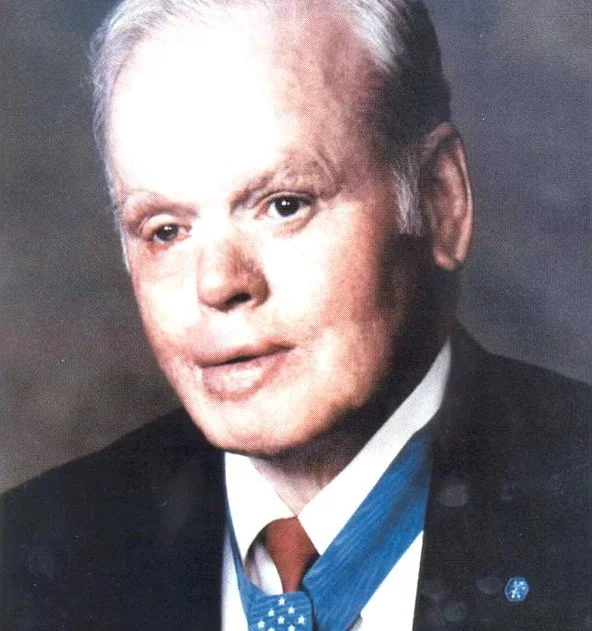
Red’s story didn’t end in that burning B-29. After more than two years in the hospital and over forty surgeries, he spent the next 37 years serving as a benefits counselor at the VA hospital in Birmingham — helping fellow veterans navigate the wounds he knew so well.
His deep Christian faith sustained him through “moments of black despair.” He and his wife Betty raised a family, and he lived humbly, always pointing others to the God who carried him.
I am grateful for Red’s story and for my brothers and sisters who have served, especially for those who didn’t come home. This Memorial Day weekend, may the example of men like Red stir us not only to remember the fallen, but to live as living sacrifices for the glory of our Lord and Savior, Jesus Christ.
~ Charlie